



Aerospace – HPC Engine case
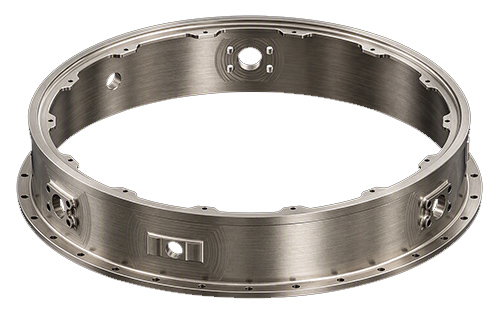
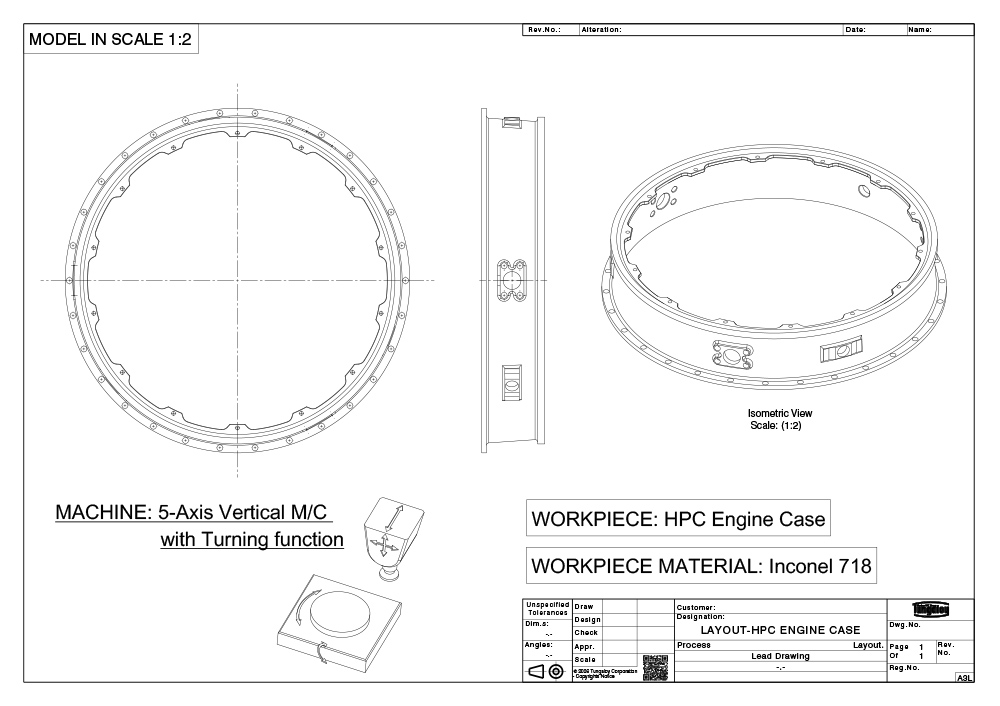
The HPC (High Pressure Compressor) engine case is a primary structural component of an aircraft engine that supports and protects the high-pressure compressor section of a jet engine. Since it operates under high-temperature, high-load conditions, high-performance materials such as heat-resistant superalloys and titanium alloys are used.
As a critical component that supports rotating parts with high precision and carries the structural strength of the engine, it must achieve both high rigidity and weight reduction despite its thin-walled, complex geometry. It must also meet stringent quality requirements for bore machining accuracy, coaxiality, and roundness.
In addition, when machining difficult-to-cut materials such as heat-resistant superalloys and titanium alloys, extending tool life by suppressing tool wear and improving productivity by reducing machining time are key challenges.
For the machining of HPC engine cases, which demands high dimensional accuracy, excellent surface quality, and high-efficiency machining of heat-resistant superalloys, we provide highly efficient, high-quality machining through a total machining solution built on the optimal combination of tools, delivering both productivity and machining stability.
Tooling concepts
- A fracture- and wear-resistant solution combining ceramic composite materials with high-adhesion coatings, engineered for low thermal conductivity and severe work hardening.
- Coolant strategy optimized to each material’s characteristics: carbide tools use high-pressure coolant to remove heat, while ceramic tools use dry machining to avoid thermal shock.
- Coolant-through holders and arbors deliver cooling and lubrication reliably to the cutting edge.
- Head-exchangeable tools combined with a wide range of grade variations reduce setup time and consolidate processes.

Featured process
Process 1: External rough turning
Benefits
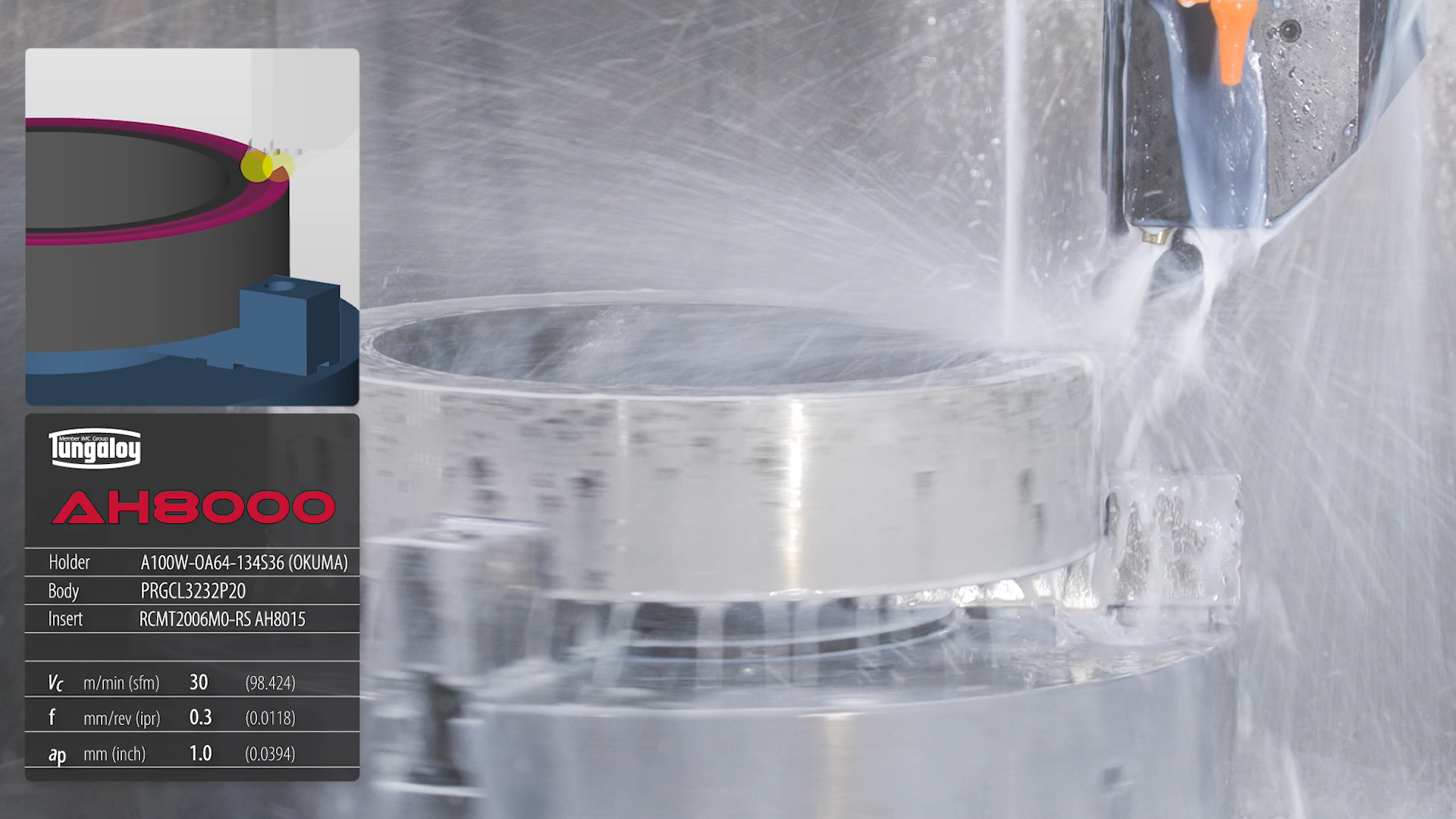
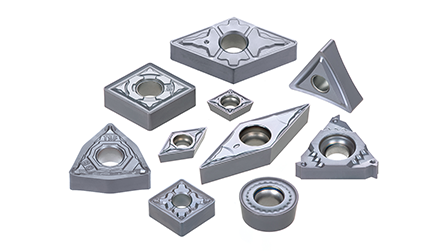
- The round insert (RCMT) geometry provides a long cutting edge, enabling stable performance across varying depths of cut and feed rates over the entire face.
- AH8015’s high-Al nano-multilayer AlTiN coating enhances adhesion to the substrate, suppressing notch wear and chipping.
- Thanks to its excellent coating adhesion, the grade delivers stable tool life even on Inconel 718, which is prone to severe work hardening — contributing to improved productivity.
- As the first-recommended grade with an excellent balance of wear resistance and toughness, it covers a wide range of applications from medium to rough machining.
- Even under the heavy depths of cut and high feed rates typical of rough face turning, it minimizes the risk of fracture, helping secure machining allowance for the finishing process.

Process 2: External grooving
Benefits
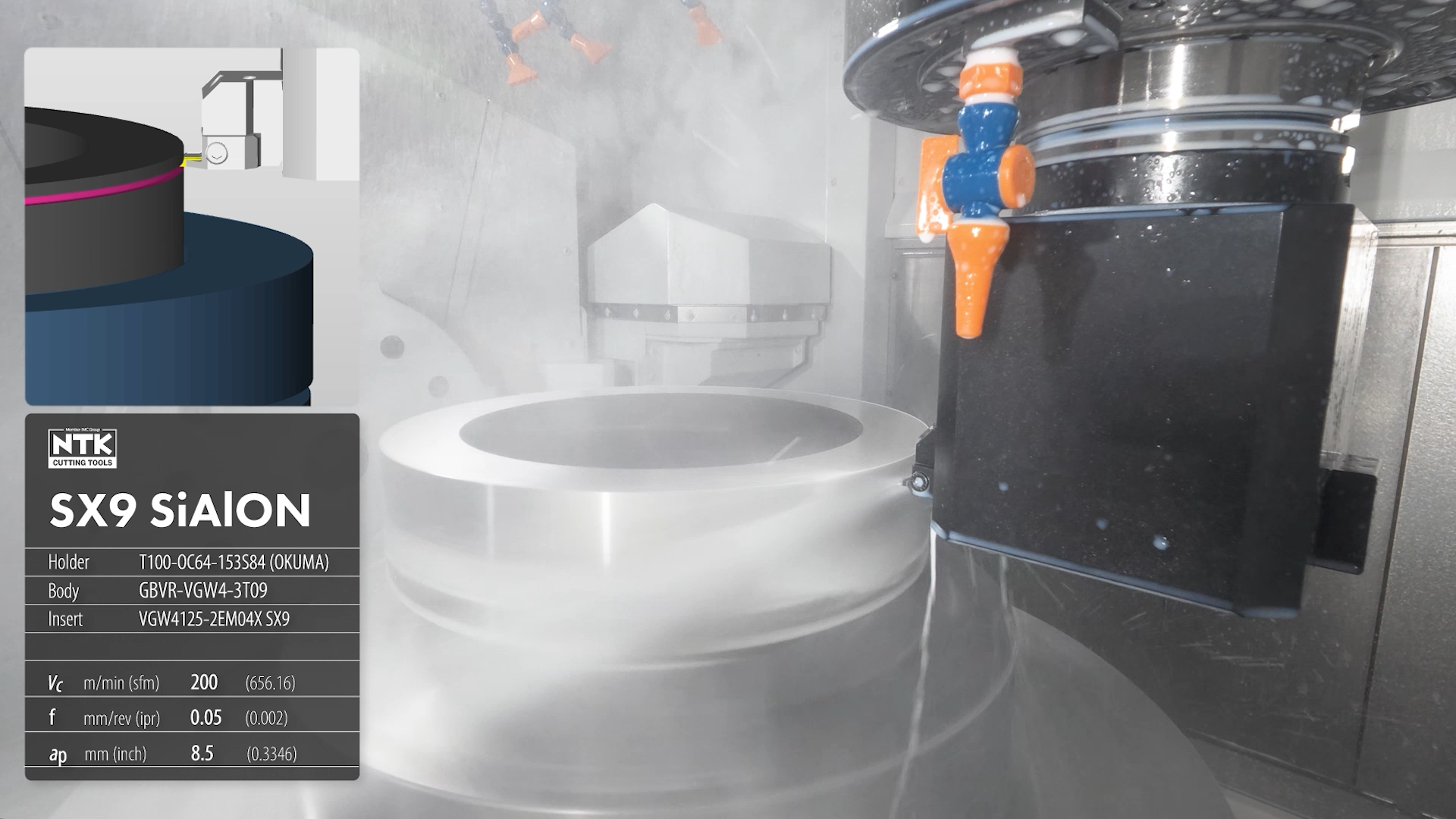
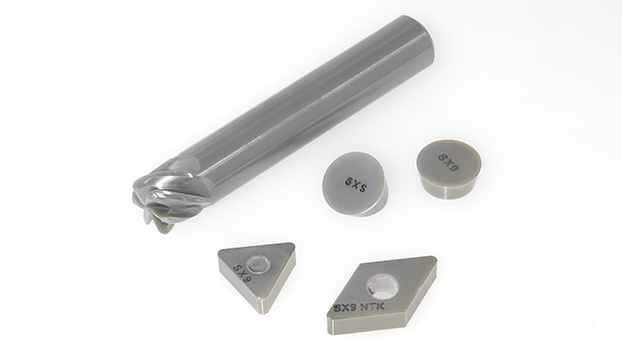
- SX9 is a SiAlON ceramic grade developed with a strong focus on fracture resistance, delivering excellent machining stability in grooving operations on Inconel 718 with forged skin.
- Its tough interlocking needle-like crystal structure suppresses chipping and edge fracture even under the intermittent cutting and impact loads typically encountered when machining forged surfaces.
- Outstanding heat resistance and hot hardness allow stable tool life even under the severe cutting temperatures generated during machining of heat-resistant superalloys.

Process 3: External rough turning
Benefits
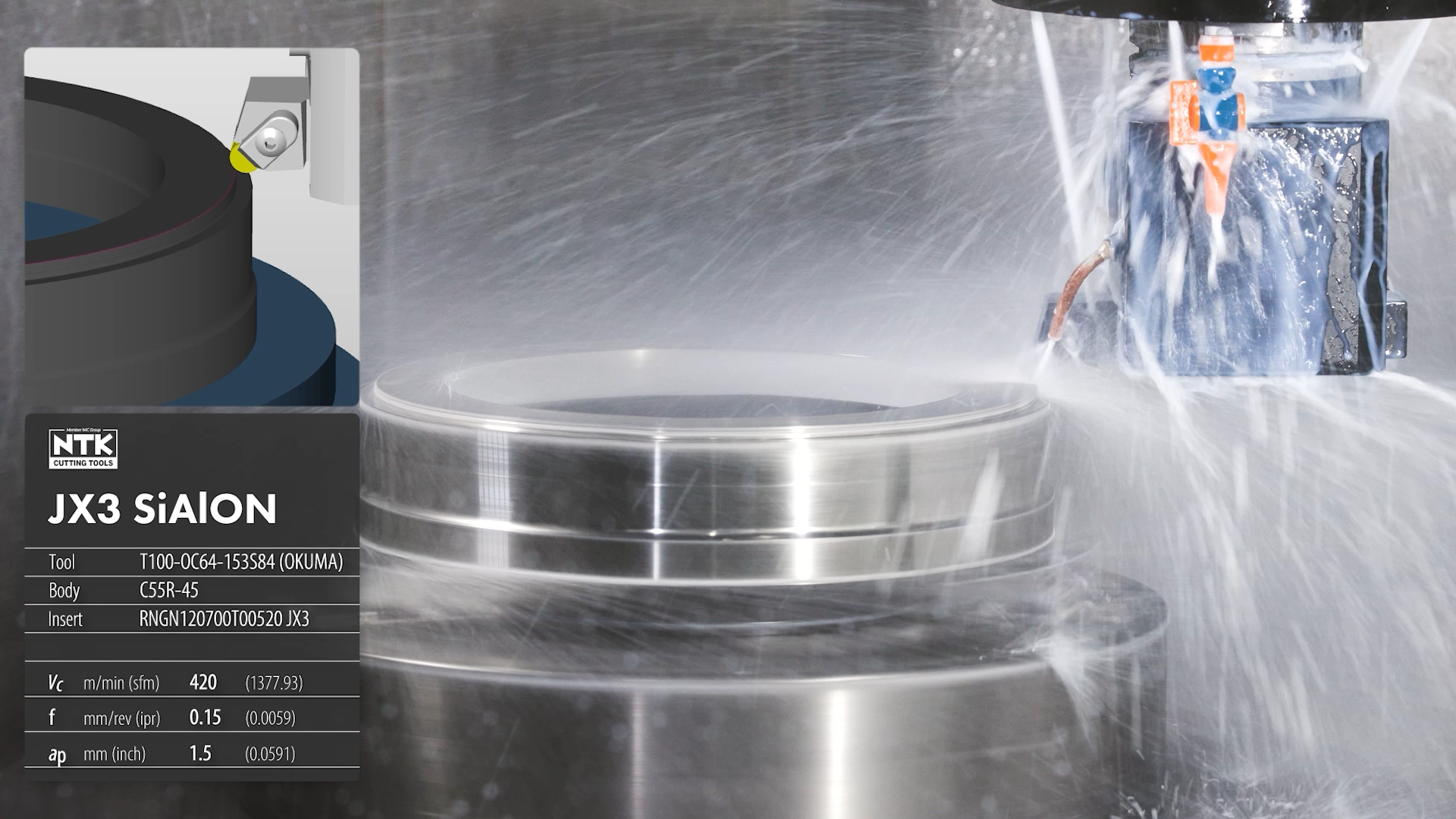
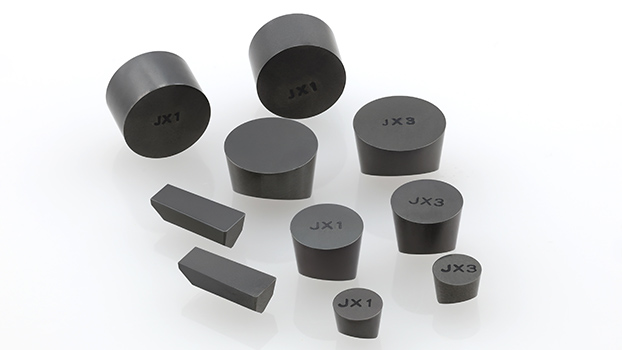
- JX3 is a toughness-enhanced grade within the BIDEMICS series, developed for rough machining and capable of handling heavy-duty turning and grooving.
- Its composite structure of alumina and tungsten carbide achieves higher strength and heat resistance than conventional whisker-reinforced ceramics.
- The round shape (RNGN) makes use of the entire cutting edge, providing stable performance even under the fluctuating depths of cut and intermittent loads typical of rough machining.
- Its excellent thermal conductivity effectively disperses cutting heat, suppressing the rise in cutting-edge temperature caused by Inconel 718’s characteristic low thermal conductivity and heat retention.
- It enables rough machining at high cutting speeds that are difficult to achieve with carbide tools, helping secure machining allowance for the next (finishing) process and improving overall productivity.

Process 4: Rough milling
Benefits
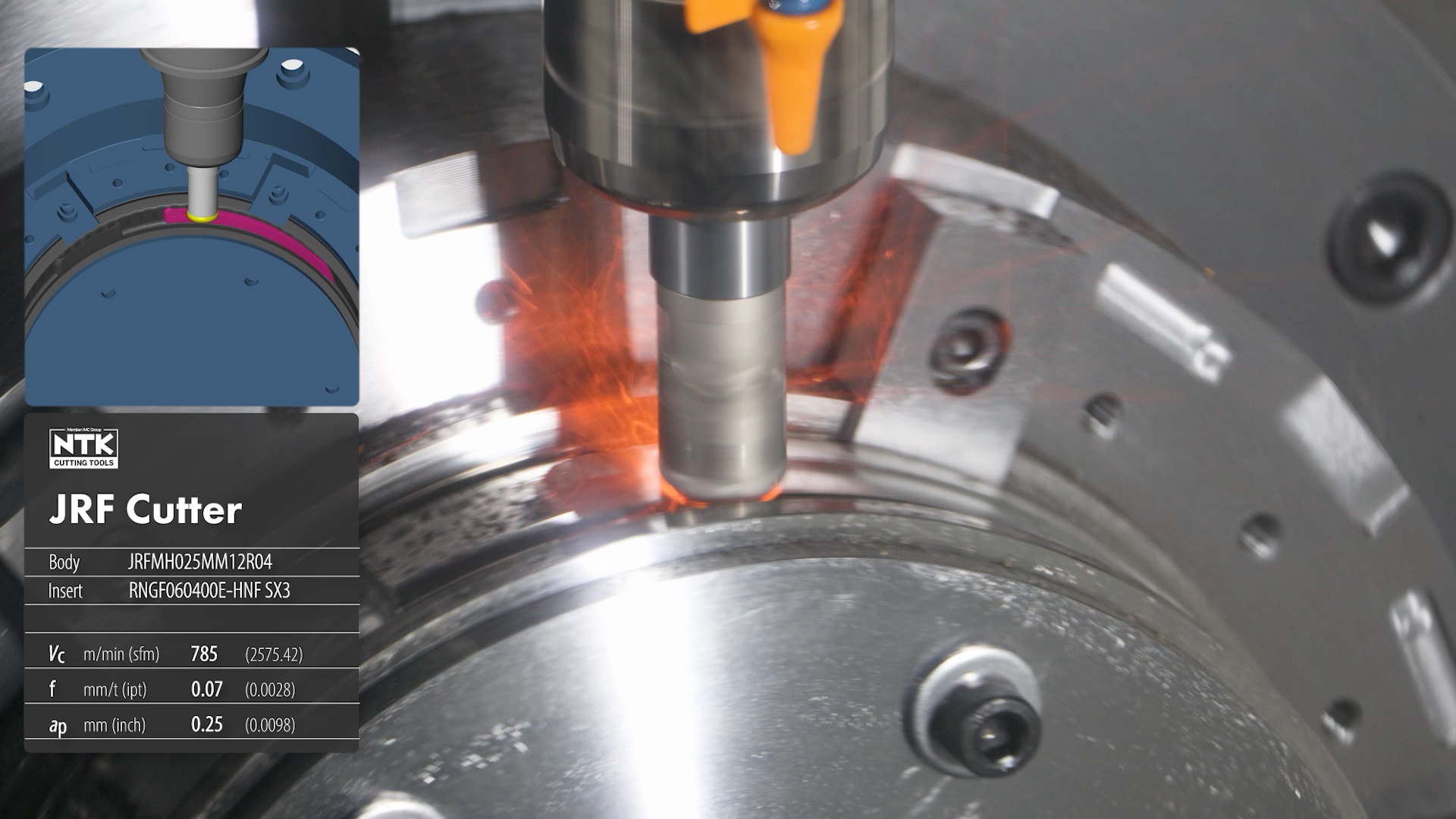
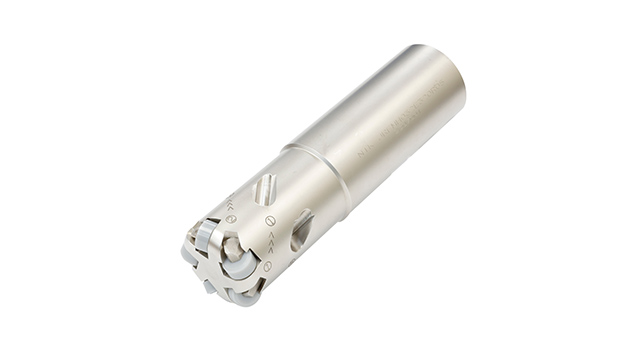
- The JRF Cutter is a small-diameter ceramic milling cutter dedicated to heat-resistant alloy machining, featuring an efficient design with three double-sided negative inserts.
- The double-sided insert design secures multiple cutting corners while reducing tool cost, improving the economics of the rough machining process.
- The unique negative geometry suppresses cutting resistance while enabling stable depths of cut, achieving superior cost performance and machining efficiency compared to carbide cutters.
- The paired SX3 grade is the first-recommended ceramic material for heat-resistant alloy machining, offering an excellent balance of fracture and wear resistance, and delivering stable tool life even in the intermittent cutting conditions of OD rough milling.
- Even against Inconel 718’s heat-retention characteristics, the ceramic material’s inherent hot hardness enables high-speed machining, contributing to improved productivity across the entire rough machining process.

Process 5: Boss peripheral rough milling
Benefits
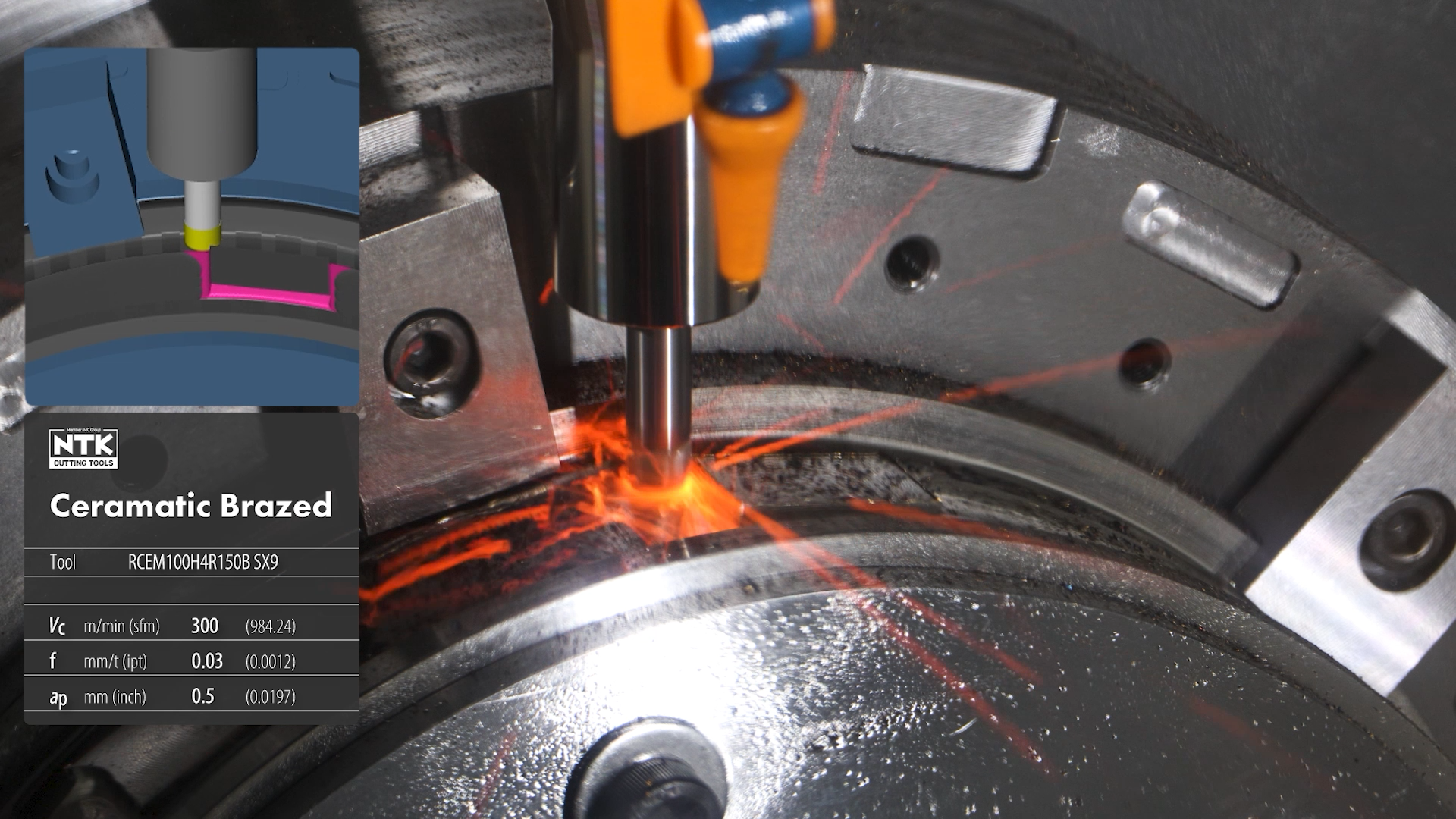
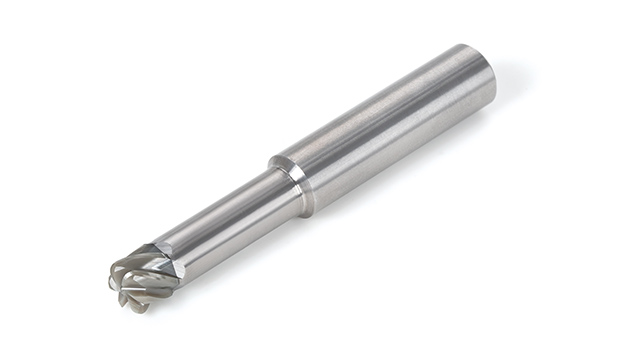
- CERAMATIC Brazed is a ceramic end mill with a carbide shank, significantly improving fracture strength to enable stable cutting even in overhang-type geometries such as boss features.
- The high rigidity of the carbide shank allows stable machining at L/D = 3–4D depths while minimizing the risk of breakage.
- The paired SX9 grade is a SiAlON-based ceramic focused on fracture resistance, demonstrating high resistance to the intermittent cutting impact characteristic of boss rough milling.
- It enables up to 15x higher machining efficiency compared to carbide end mills, significantly reducing machining time in boss rough milling of difficult-to-cut materials such as Inconel 718.
- It supports dry machining at cutting speeds of 300 m/min or higher, taking advantage of a high-speed range that is difficult to achieve with wet machining, contributing to improved productivity across the entire rough machining process.

Process 6: Hole making
Benefits
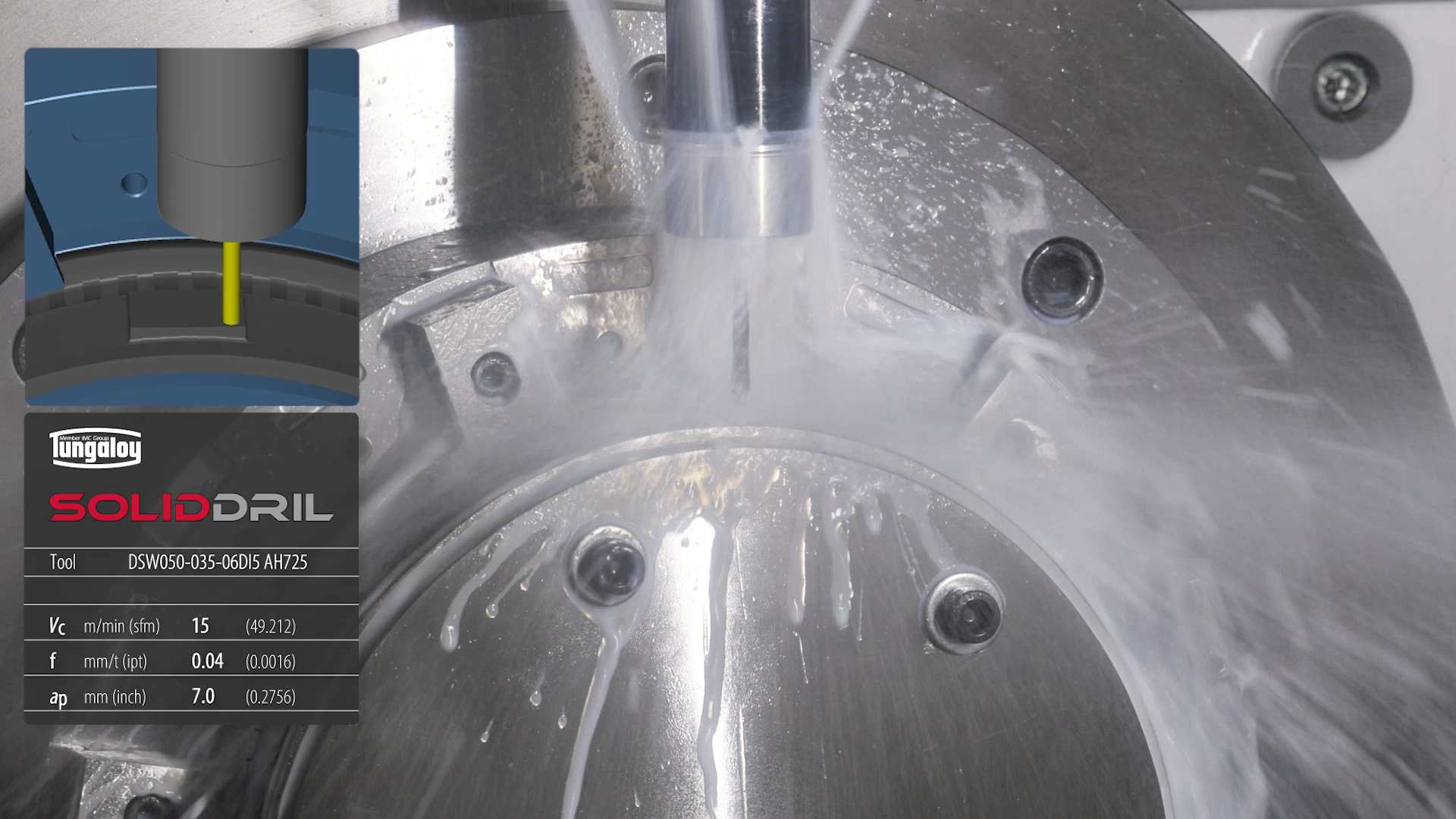
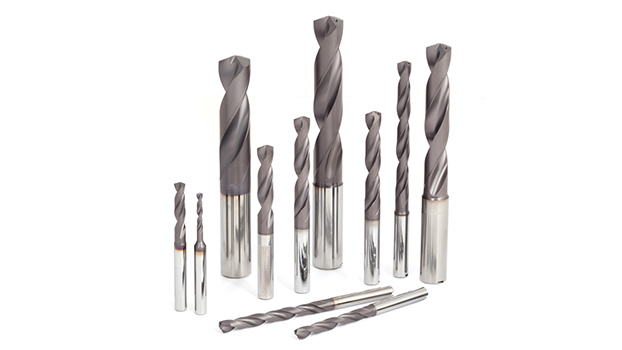
- SolidDrill’s innovative edge geometry reduces cutting resistance and improves coating-to-substrate adhesion, suppressing the sudden chipping that tends to occur during boss hole drilling.
- The internal coolant-through (DI) design delivers coolant directly to the cutting edge, improving chip evacuation and enabling stable machining even in drilling operations where heat tends to build up — a characteristic challenge with Inconel 718.
- AH725 offers an excellent balance of wear resistance and chipping resistance, delivering stable tool life even in boss hole drilling of Inconel 718, which is prone to work hardening.
- Even in this localized boss-drilling operation, high rigidity and stable chip control achieve high-precision drilling with minimal impact on subsequent processes.

Process 7: Finish milling
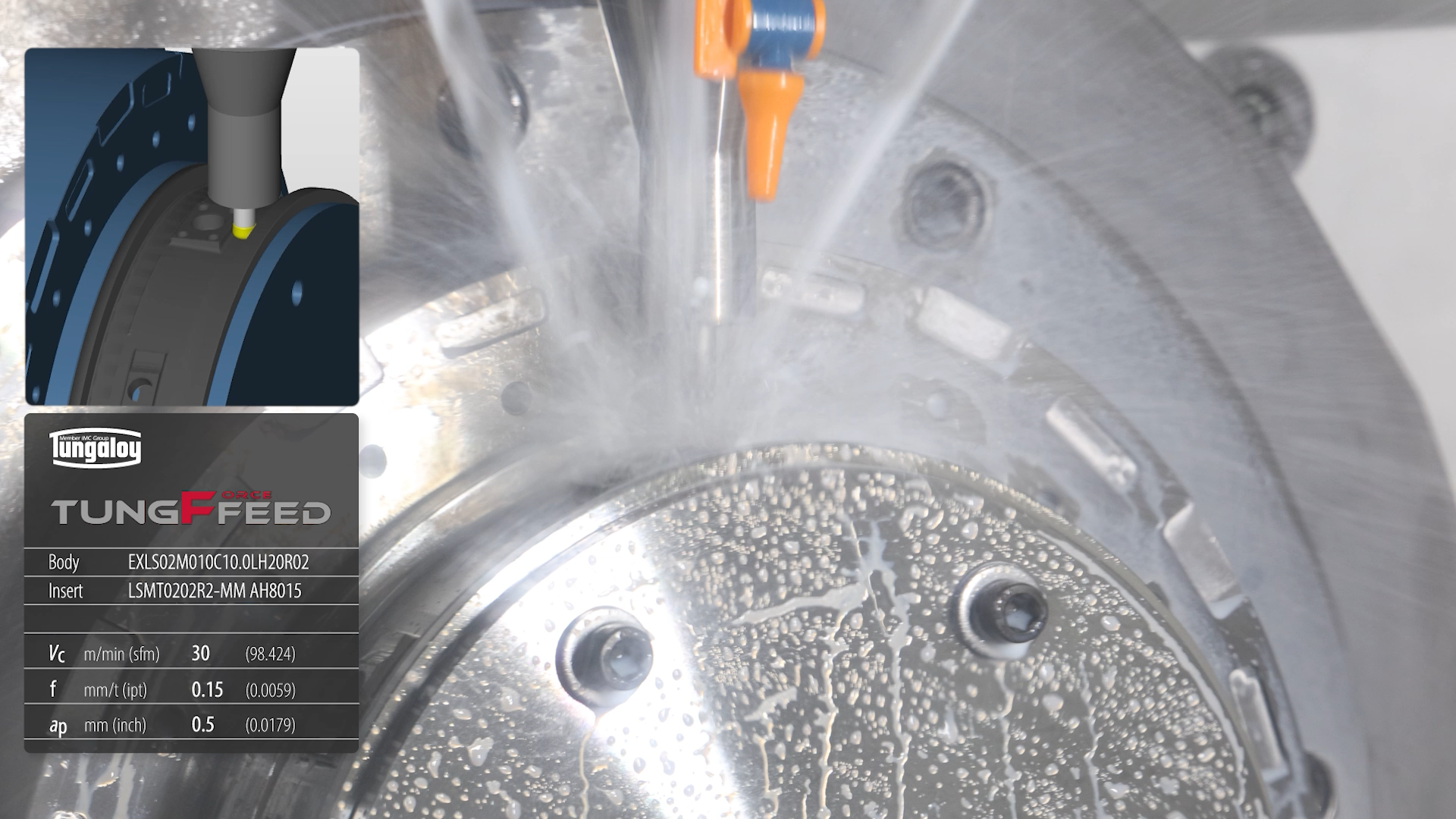
Benefits
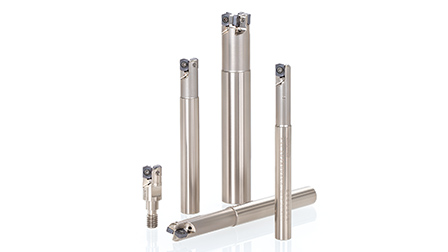
- TungForceFeed features a high-strength insert with corners approximately 10% thicker than competitor products, ensuring fracture resistance in finishing operations.
- Its low-resistance cutting edge design suppresses chatter, achieving the stable surface quality required in finishing processes.
- The side wiper improves wall surface accuracy and reduces burr formation during wall and corner-radius machining.
- AH8015 combines a high-hardness coating with a high-hardness substrate, offering excellent wear resistance, heat resistance, and anti-welding properties, delivering stable tool life even in finish milling of Inconel 718.

Process 8: External finish turning
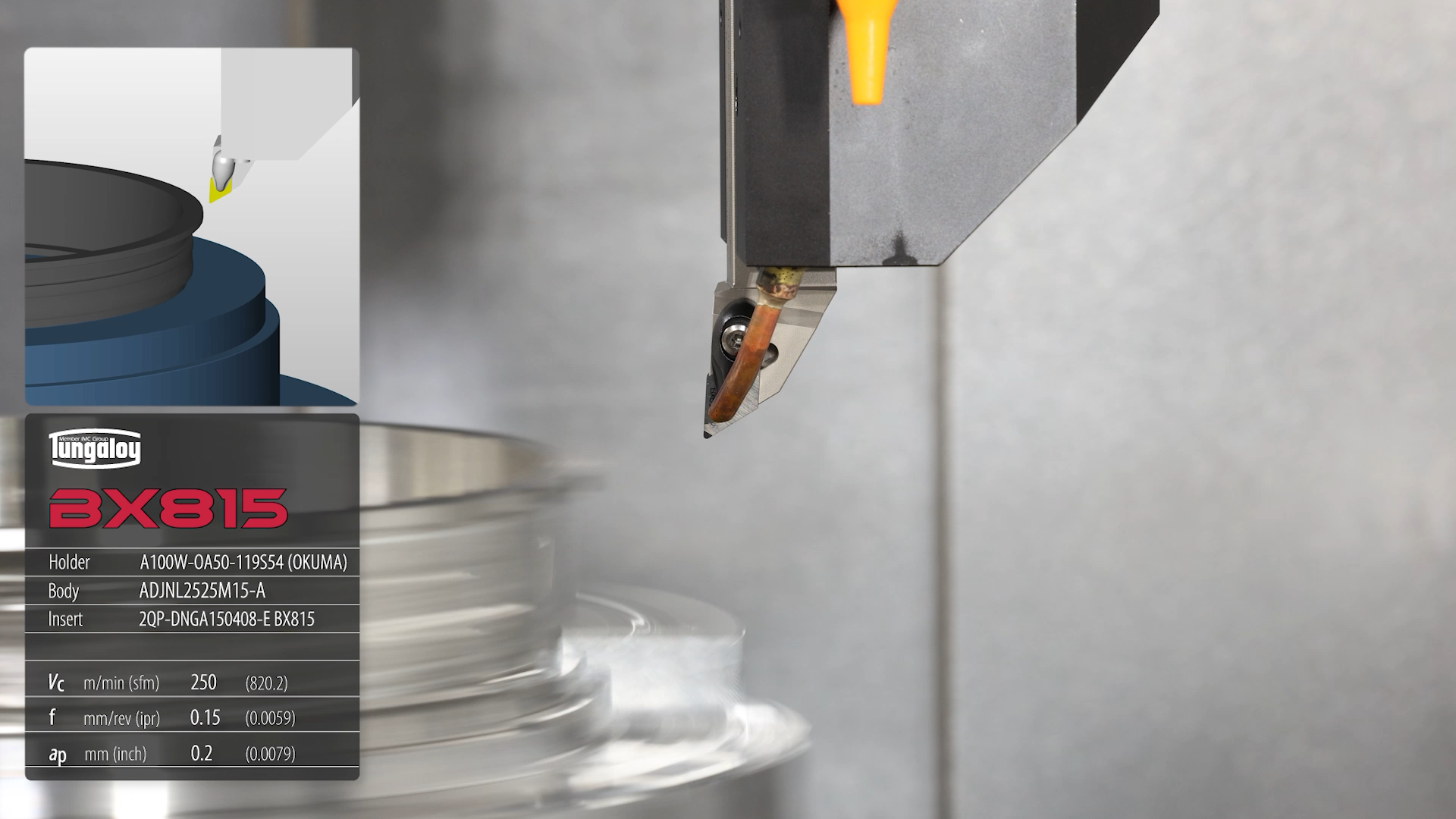
Benefits
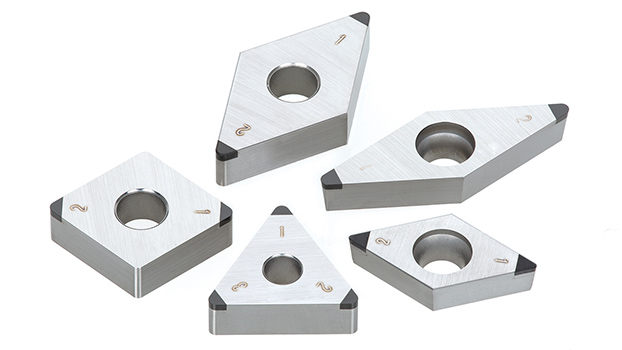
- BX815 is a new-generation T-CBN (cBN-based) grade dedicated to high-speed finishing of superalloys, suited for finish turning of difficult-to-cut materials such as Inconel 718.
- The use of alumina-based binders enhances heat and oxidation resistance, while uniformly dispersed zirconia grains improve fracture resistance, achieving a unique microstructure that balances both properties.
- The use of fine cBN particles delivers the high surface finish quality required in finishing operations.
- Its excellent wear resistance provides stable tool life even in high-speed continuous cutting of Inconel 718 (44 HRC); official verification data (practical example using the same grade) reports twice the tool life compared to the previous grade.
- It enables machining in the high-hardness, high-speed finishing range that is difficult for ceramic tools to achieve, contributing to improved productivity in the final finishing process.

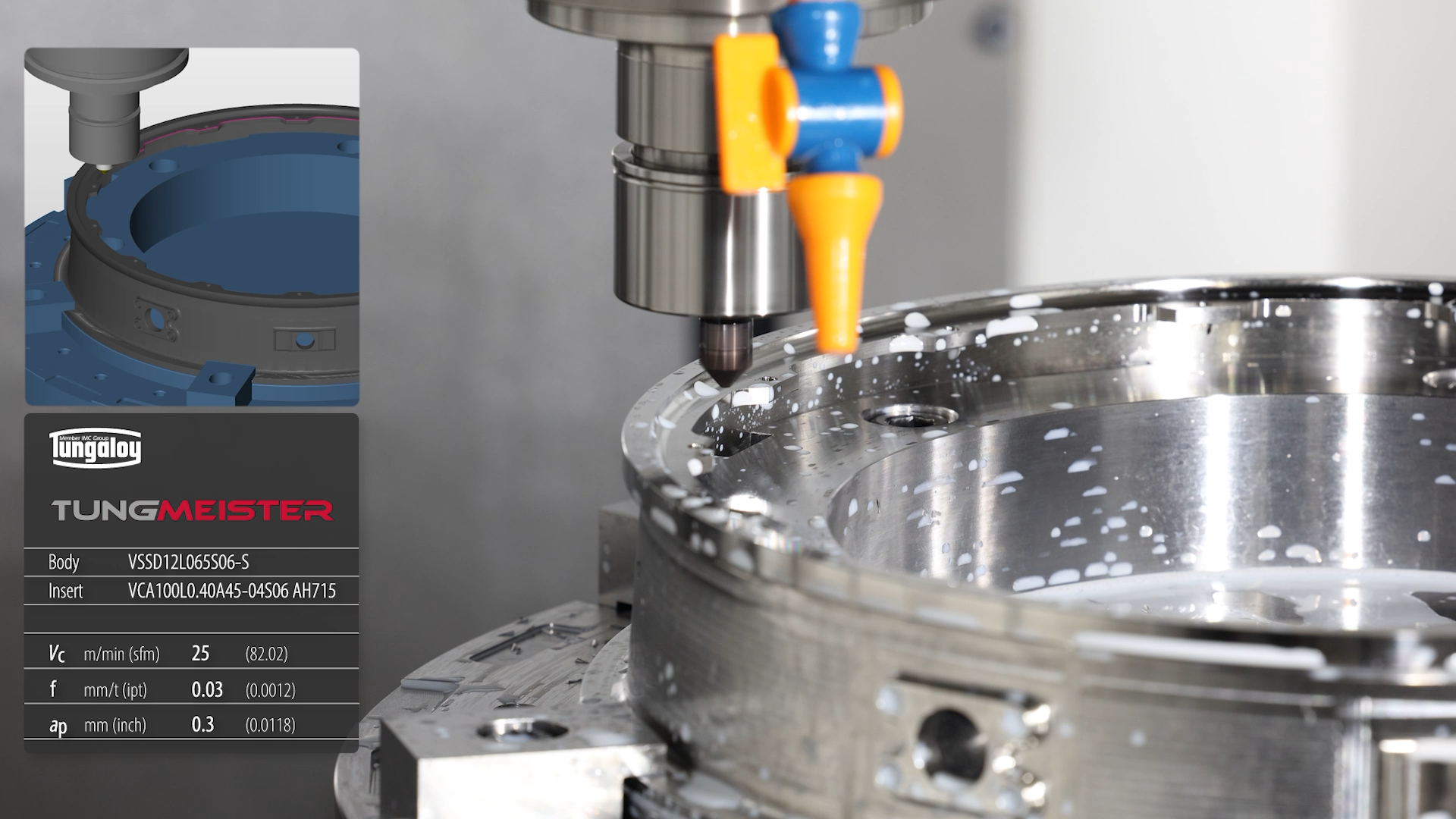
Process 9: Scallop chamfering
Benefits
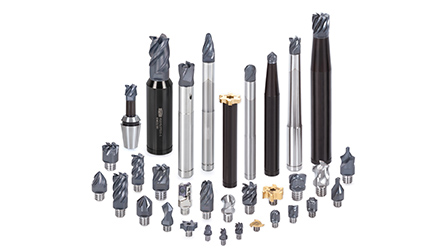
- TungMeister is a head-exchangeable tool system with 45 application-specific head types; its shank-in-common design reduces tool cost and inventory management effort.
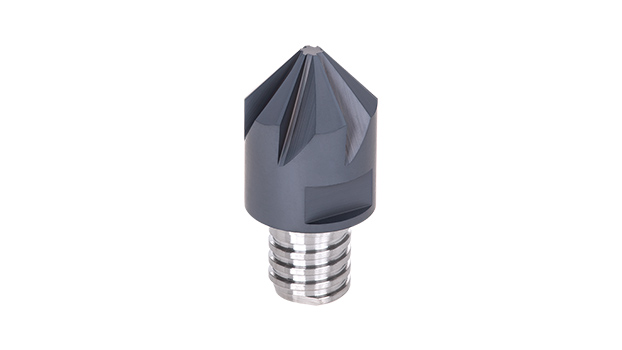
- The screw-in head exchange mechanism allows tool changeover simply by swapping in the dedicated chamfering head (VCA), significantly reducing machine downtime for setup changes.
- The two-face constraint structure (taper + face contact) maintains high cutting-edge position repeatability after head exchange, ensuring stable machining accuracy even for localized chamfering such as scallop features.
- AH715 combines three functional Nano-multilayer coatings, offering an excellent balance of wear resistance and fracture resistance, delivering stable tool life even under work-hardening conditions.
- As the final process following rough machining, drilling, and contour milling, it achieves both stable cutting-edge accuracy and setup efficiency, contributing to improved productivity across the entire machining process.


Industries |
|
Industries Learn more |

e-Catalog |
|
e-Catalog Learn more |
Resources
 Tungaloy APP
 TUNG NaviTool recommendations for your specific needs
 Machine Power Calculator
 Turning Insert Selection Guide
 Tungaloy Success ReportExplore Tungaloy’s TSR for custom machining insights with easy search
 Technical GuidesAccess Tungaloy’s technical guides for valuable insights, references, and resources.
 MatrixTool management system
 Special tool drawing generatorQuickly generate simple drawings for special products.
 High-Feed Milling PortalWhich High-Feed Milling Cutter Is Right for Your Application?