



Improving Productivity in Keyway Slot Machining
Rethinking the Machining Strategy for Motor Shafts
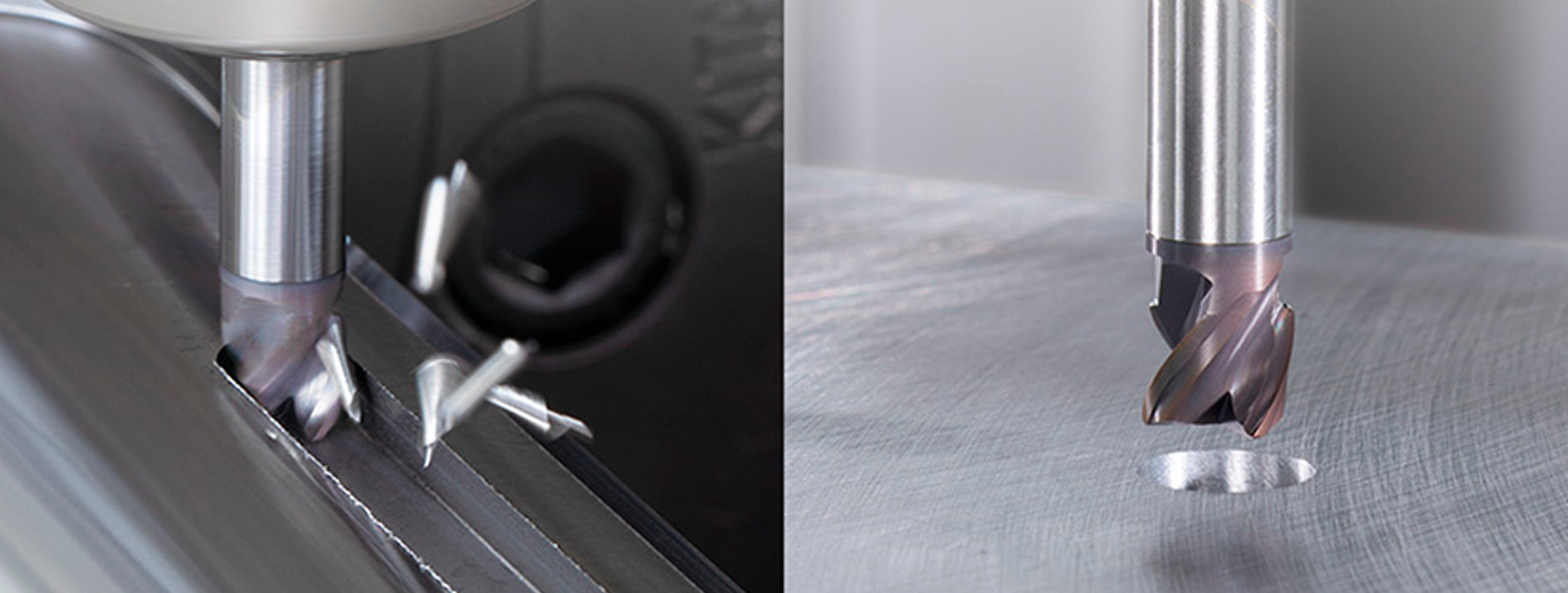
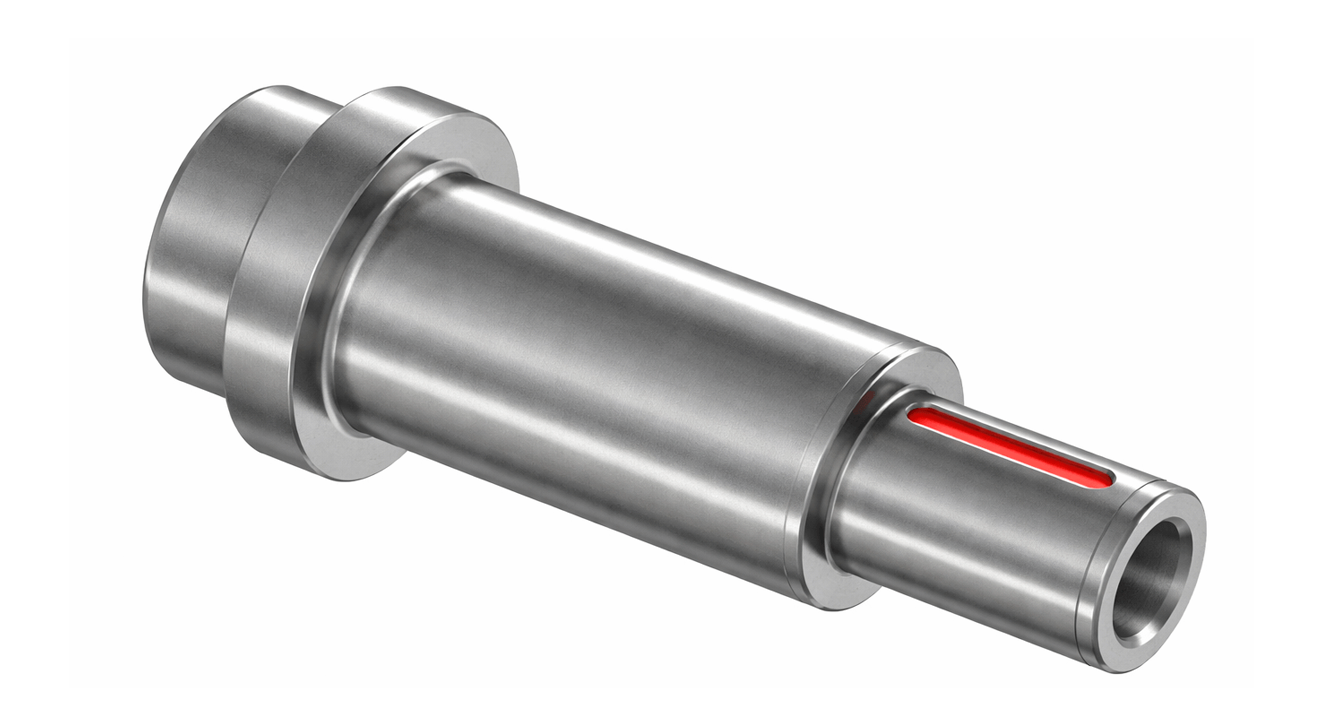
Keyways are a common feature in components such as motor shafts used in automotive and industrial equipment. these keyways are designed as pocket keyway slots, where the cutting tool cannot enter or exit from the side of the workpiece.
Because of these access limitations, T-slot cutters cannot be used, making end mills the most common tool for machining these features.
However, this approach often introduces challenges in both machining efficiency and process setup.
The Productivity Challenge in Keyway Slot Machining
When machining pocket keyway slots with an end mill, the tool must first create an entry into the material before the slot can be generated.
Because end mills are not primarily designed for drilling, the entry is typically created through gradual plunging or ramping movements before the tool begins lateral cutting to form the slot.
These strategies require multiple tool paths, which increases machining time.
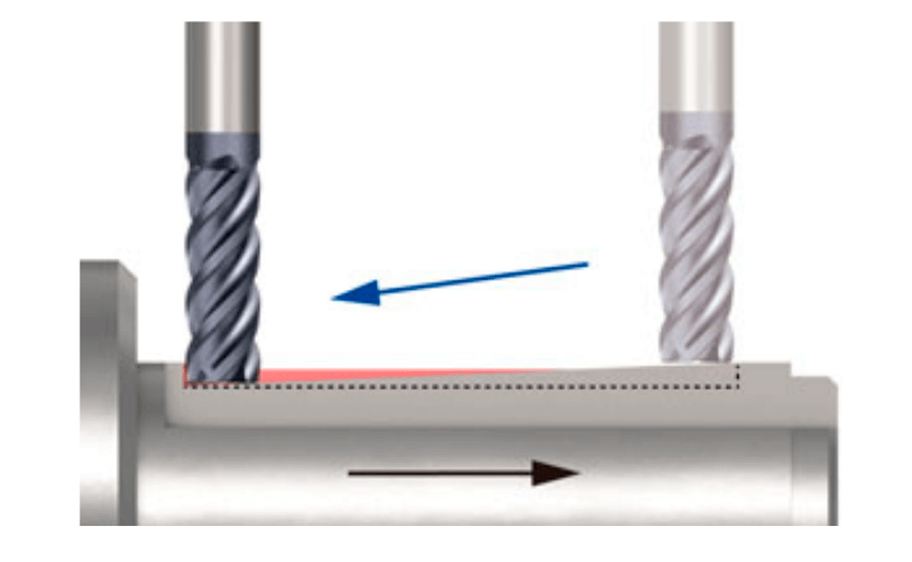
To reduce the number of milling passes, some manufacturers first drill a pilot hole and then perform the slotting operation with an end mill. While this reduces milling time, it introduces another inefficiency: tool changes.
As a result, keyway slot machining often presents a common trade-off:
- Reducing cutting time tends to increase the number of operations
- Reducing operations tends to increase setup and tool change time
This balance between machining efficiency and process complexity can make productivity improvements difficult.
Integrating Drilling and Slot Milling into One Process
One way to overcome this limitation is to reconsider the machining strategy itself.
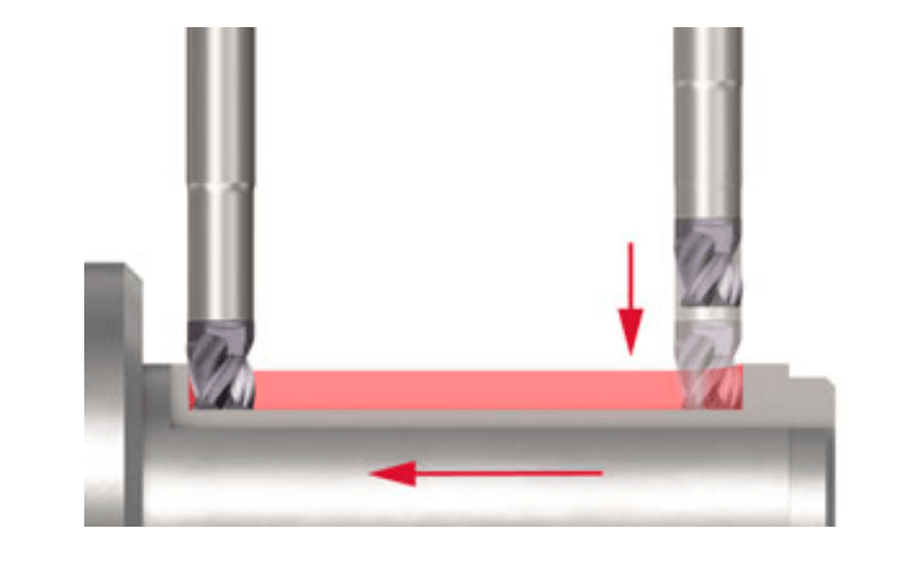
Tungaloy’s TungMeister VVFH multifunction head is designed to combine drilling capability with end milling performance, allowing both operations to be performed sequentially with a single tool.
With this approach, the tool first creates the entry hole and then continues directly into the slotting operation.
By eliminating the need for tool changes, manufacturers can simplify the machining sequence while reducing non-cutting time.
Key Design Features of the TungMeister VVFH Multifunction Head
Optimized Geometry for Chip Evacuation
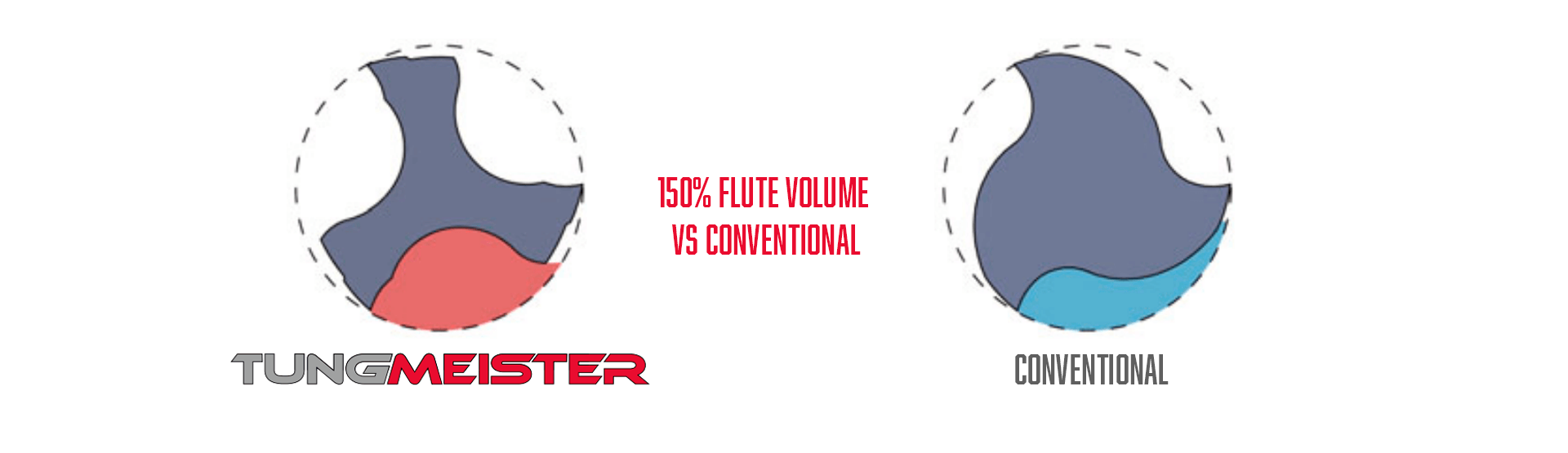
The multifunction head features a pocket design optimized for efficient chip evacuation during drilling operations.
This geometry helps prevent chip accumulation in the entry hole and maintains stable cutting conditions as the operation transitions from drilling to slot milling.
Effective chip evacuation also reduces the risk of chip packing, which can cause vibration or unstable cutting during deep keyway slot machining.
Three-Flute Center-Cutting Design
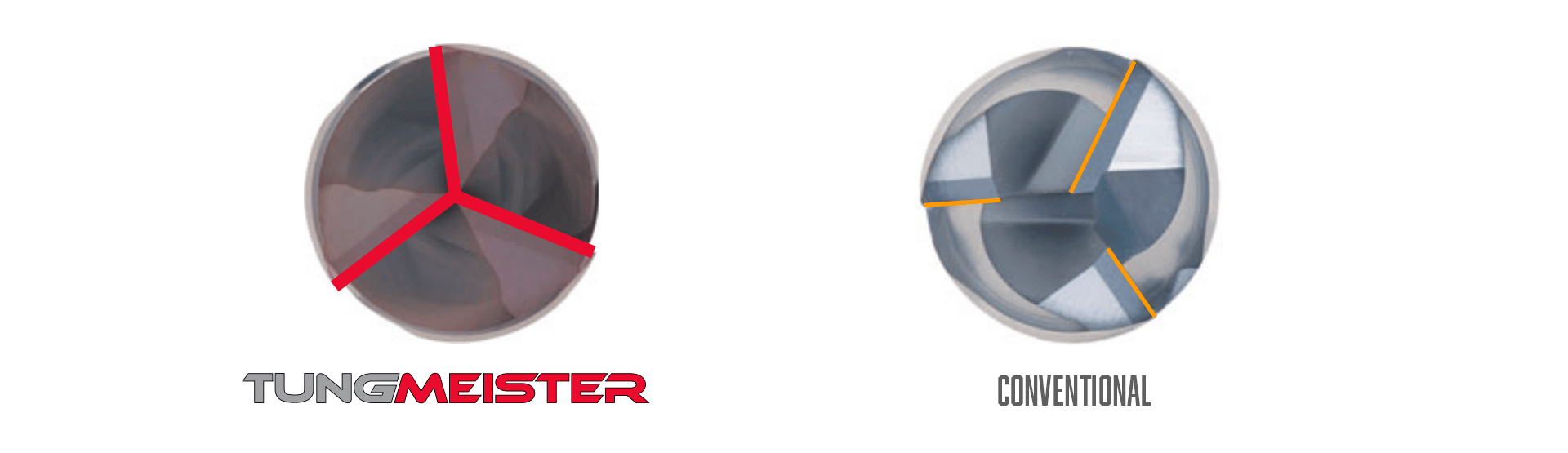
The tool incorporates a three-flute center-cutting geometry, allowing all cutting edges to participate in the drilling process.
This design distributes cutting loads more evenly compared with conventional end mills, where the center of the tool may experience uneven engagement.
The result is more stable drilling performance and consistent chip formation.
Transforming Separate Operations into a Continuous Process
With these design features, operations that were traditionally performed separately—such as pilot hole drilling and slot milling—can now be carried out continuously with a single tool.
This approach simplifies the machining process while maintaining stable cutting performance throughout the operation.
Application Example
Workpiece: Motor shaft (steel)
Feature: Pocket-type keyway
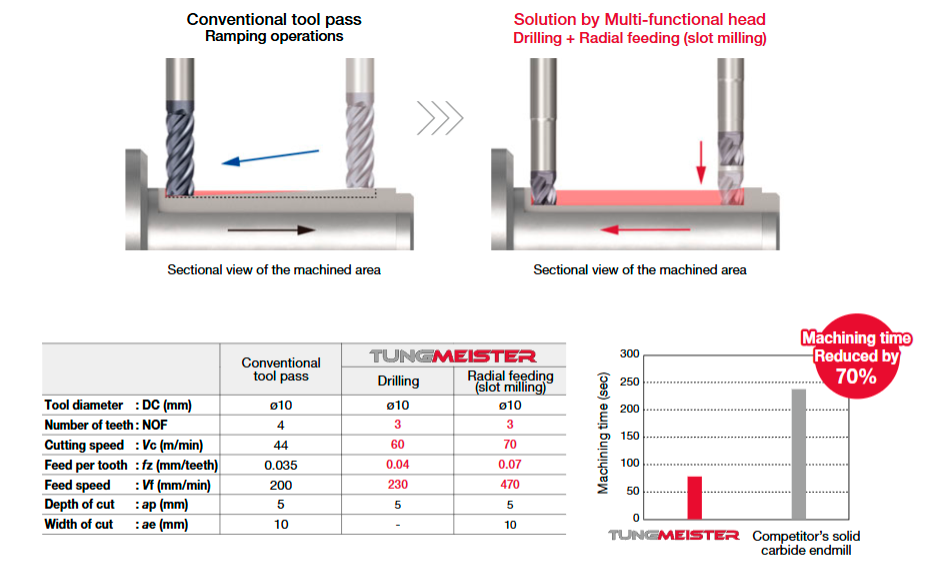
Conventional process
Drilling pilot hole
→ Tool change
→ Slot milling with end mill
Improved process
Pilot hole drilling and slot milling performed continuously using a TungMeister VVFH multifunction head
Result
- Reduced setup time
- Fewer tool changes
- Optimized machining paths
- Shorter total machining time
A Simpler Approach to Keyway Slot Machining
Pocket keyway slots are often challenging to machine due to restricted tool access. While end mills are widely used for these applications, conventional machining strategies often create a trade-off between machining efficiency and process simplicity.
The TungMeister VVFH multifunction head provides an alternative approach by combining improved drilling capability with stable milling performance, enabling drilling and slot milling to be performed continuously with a single tool.
By simplifying the machining process, manufacturers can reduce total machining time while maintaining stable and efficient keyway production.