



Why Chamfering Deserves a Second Look
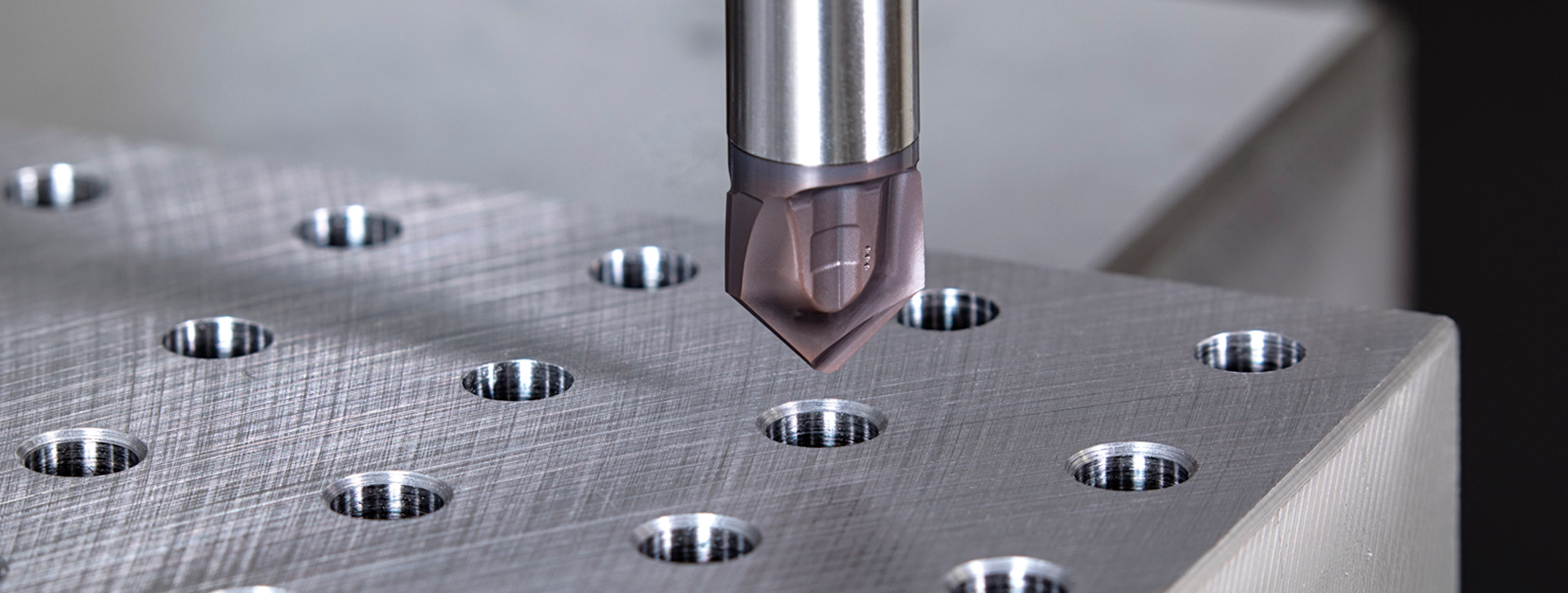
Improving Efficiency in an Often Overlooked Operation
Chamfering is often treated as a secondary operation.
Because of that, it is rarely reviewed.
However, even small improvements in this process can have a direct impact on tool life, cycle time, and overall stability.
Why It’s Worth Revisiting
In many applications, chamfering is still performed with HSS tools.
That choice has traditionally been driven by cost and familiarity.
Today, the situation is changing.
HSS tool prices have increased, while solid carbide tools are also affected by rising raw material costs. At the same time, production demands continue to push for higher efficiency.
As a result, the gap between “good enough” and “optimized” is becoming more visible.
Where the Limitations Appear
When trying to improve productivity in chamfering, typical issues start to appear:
- Burrs requiring additional finishing
- Chatter when increasing feed rates
- Frequent tool changes affecting uptime
These challenges are common, but often accepted as part of the process.
Current HSS Tooling Options
HSS chamfering tools are generally used in two formats:
| Type A: HSS Solid Tools | Type B: HSS Exchangeable Head Tools |
|---|---|
Features:
Challenges:
|
Features:
Challenges:
|
Both approaches are reliable, but their cutting capability is restricted by the tool material.
A More Efficient Approach
Instead of switching entirely to solid carbide, a more practical solution is to use carbide only where it is needed — at the cutting edge.
TungMeister applies this concept through a replaceable carbide head combined with a reusable shank.
This allows improved cutting performance while keeping tool material usage under control.
Chamfering Head Selection
Different chamfering conditions require different tool behavior.
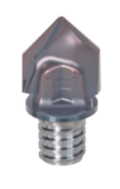
- General-purpose type compatible with a wide range of workpiece materials
- Excellent cost performance, ideal for high-volume production
- Widely adopted as the standard chamfering head across many shops
Applications: General chamfering, hole chamfering, production lines
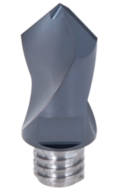
- Designed to reduce cutting resistance and prevent chatter
- Enables stable machining even with long overhang
- Ideal for machining low-rigidity workpieces
- Also suitable for centering (spot drilling)
Applications: Chatter-prone machining, long overhang, low-rigidity workpieces
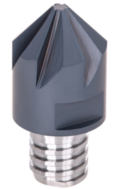
- Multi-flute design increases feed per revolution
- Enables high-efficiency chamfering and deburring of workpiece peripheries
- Contributes to cycle time reduction
Applications: Peripheral chamfering, high-efficiency deburring, productivity-focused machining
Shank Selection Matters
The modular system allows the shank to be selected based on the application:
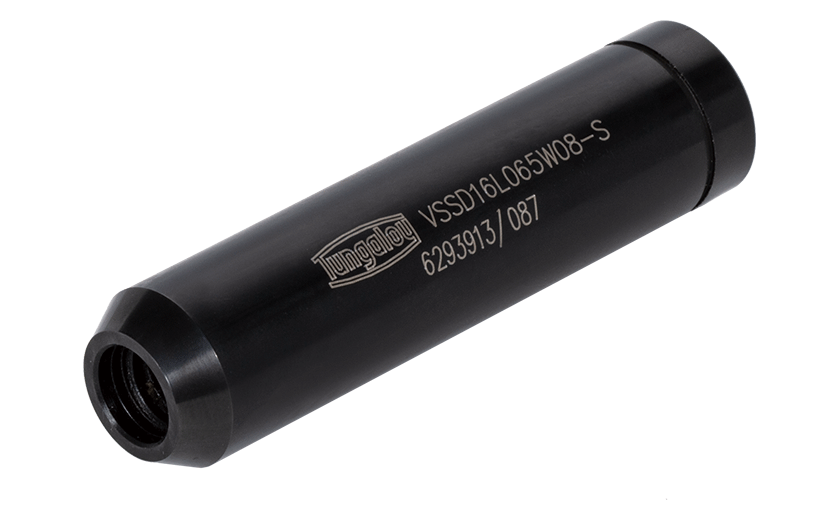
Steel Shank
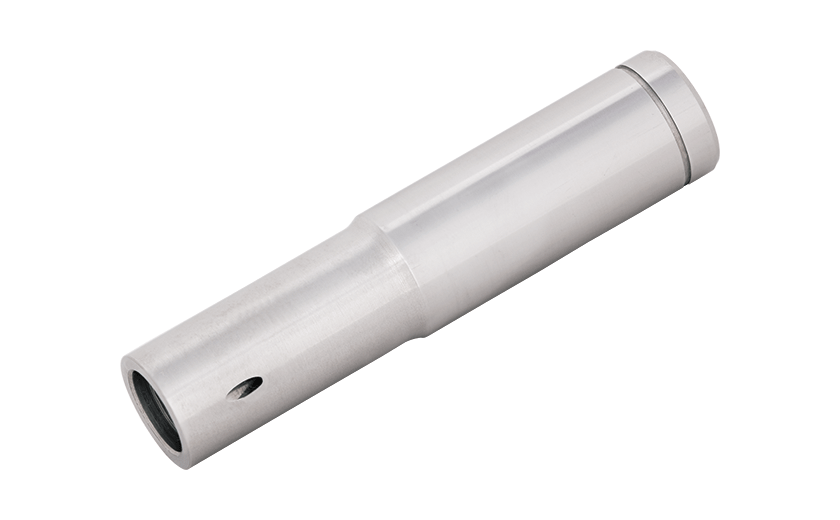
Carbide Shank
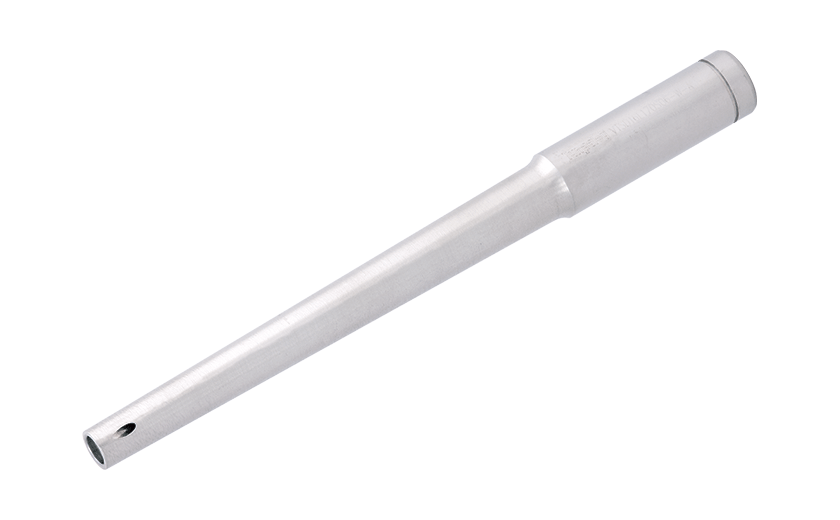
Tungsten Shank
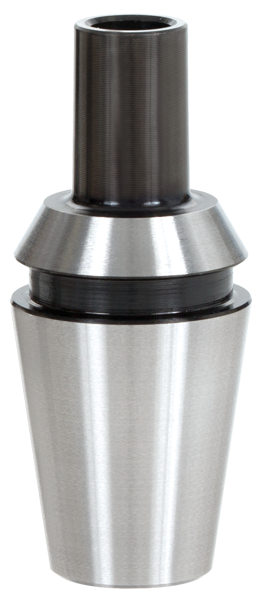
VER Integrated Collet Type
| Shank | Features | Recommended Applications |
|---|---|---|
| Steel Shank | Standard type. Good balance of cost and performance | General machining, cost-conscious applications |
| Carbide Shank | High rigidity (high Young’s modulus). Effective for chatter suppression | High-precision machining, long overhang |
| Tungsten Shank | Combines high rigidity (high Young’s modulus) with vibration damping | Applications requiring chatter suppression, vibration-prone environments |
| VER Integrated Collet Type | Integrated with collet to minimize overhang | BT30 and other compact machines, automatic lathes. Rigidity-focused |
Selecting the right combination of head and shank helps stabilize the process and improve consistency.
- Long overhang required → Use carbide or tungsten shank to ensure rigidity
- Vibration/chatter is an issue → Tungsten shank’s damping properties are effective
- Want minimal overhang → Select VER integrated collet type
- General-purpose use → Steel shank keeps costs down
Success Cases
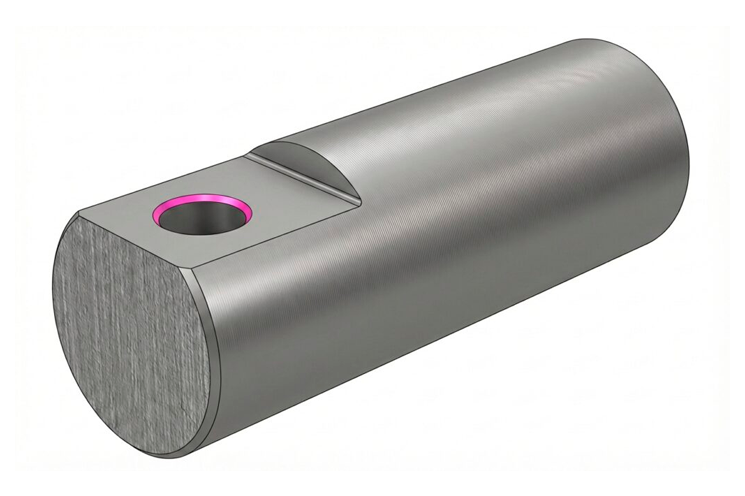
Internal Chamfering – S45C
In a long overhang setup, the VDS head reduced vibration and improved stability:
Tool life: 5× / Efficiency: 1.6×
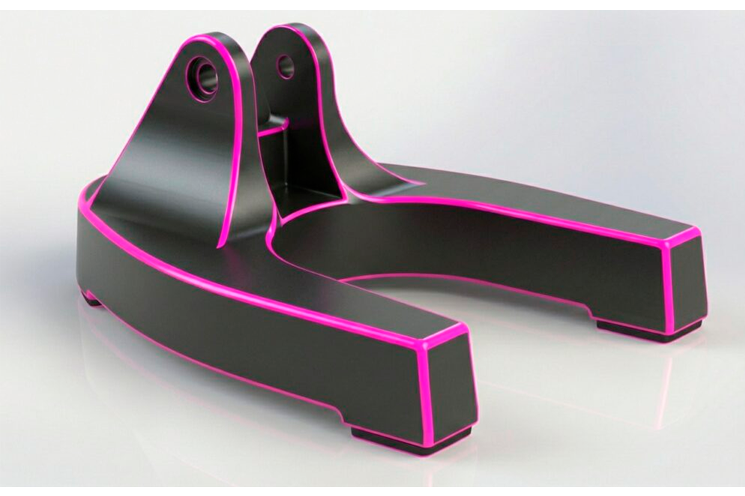
Chamfering – FC250 (Cast Iron)
Switching to the VCA multi-flute design enabled higher feed rates:
Tool life: 5× / Efficiency: 8.4×
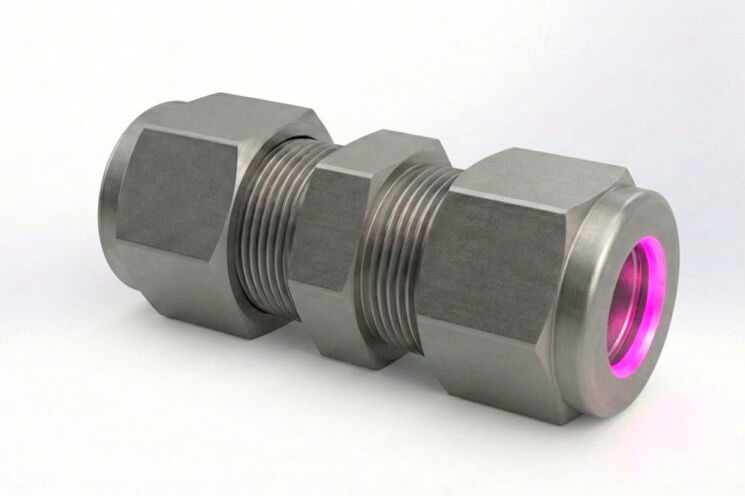
Chamfering – S45C
Replacing HSS with a carbide solution increased cutting speed significantly:
Tool life: 11× / Efficiency: 4.3×
Conclusion
Chamfering may not be the primary operation, but it still influences overall productivity.
A small adjustment in tooling strategy can lead to measurable improvements without changing the entire machining process.